Discover Diverse Saree Fabrics: Cotton, Silk, and More
- Kamalesh Nahar
- 13 hours ago
- 4 min read

Sarees are more than just a piece of clothing; they are a representation of culture, tradition, and artistry. With a rich history that spans centuries, sarees have evolved in style, fabric, and draping techniques. In this post, we will explore the diverse fabrics used in sarees, focusing on cotton, silk, and other materials that contribute to the beauty and versatility of this timeless garment.
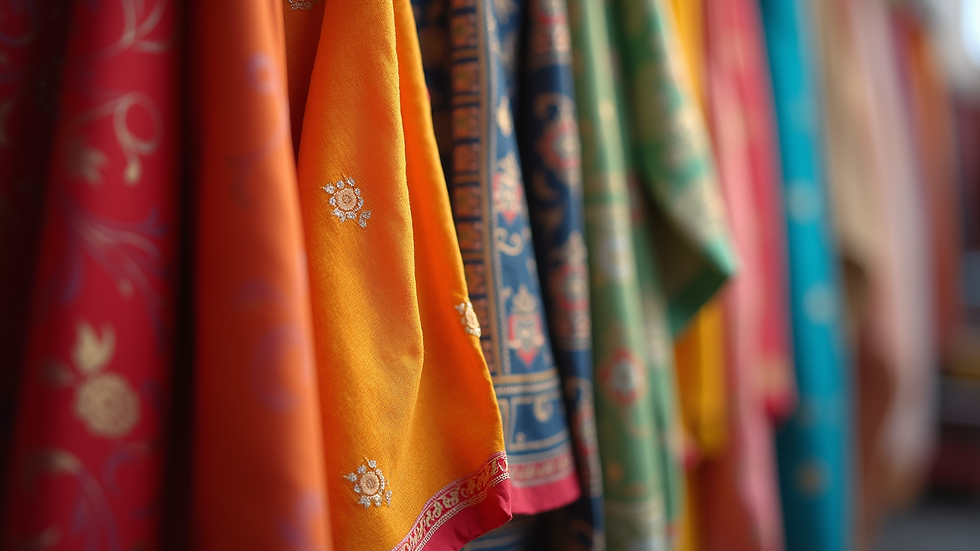
Understanding Saree Fabrics
The fabric of a saree plays a crucial role in its overall look and feel. Different fabrics lend themselves to various occasions, climates, and personal preferences. Here’s a closer look at some of the most popular saree fabrics:
Cotton Sarees
Cotton sarees are a staple in many wardrobes, especially in warmer climates. They are known for their breathability, comfort, and ease of maintenance. Here are some key features of cotton sarees:
Lightweight and Comfortable: Cotton sarees are perfect for everyday wear, providing comfort without compromising on style.
Variety of Designs: From simple weaves to intricate prints, cotton sarees come in a plethora of designs, making them suitable for casual outings and festive occasions alike.
Easy to Care For: Cotton is machine washable and can be ironed easily, making it a practical choice for busy individuals.
Popular Types of Cotton Sarees
Khadi: Handspun and handwoven, Khadi sarees are a symbol of Indian heritage. They are eco-friendly and support local artisans.
Ikat: Known for its unique tie-dye technique, Ikat sarees feature vibrant patterns that are eye-catching and stylish.
Bengal Cotton: Originating from West Bengal, these sarees are lightweight and often feature traditional motifs and designs.
Silk Sarees
Silk sarees are synonymous with elegance and luxury. They are often chosen for special occasions such as weddings and festivals. Here are some characteristics of silk sarees:
Rich Texture: The smooth and lustrous texture of silk adds a touch of sophistication to any outfit.
Drapability: Silk sarees drape beautifully, enhancing the wearer’s silhouette and providing a graceful look.
Variety of Weaves: Different regions in India produce unique silk sarees, each with its own weaving techniques and designs.
Popular Types of Silk Sarees
Banarasi Silk: Originating from Varanasi, these sarees are known for their intricate gold and silver brocade work.
Kanjeevaram: Hailing from Tamil Nadu, Kanjeevaram sarees are famous for their vibrant colors and heavy silk fabric.
Mysore Silk: Known for its soft texture and rich colors, Mysore silk sarees are a popular choice for weddings.
Other Fabrics
While cotton and silk are the most popular choices, there are several other fabrics that add diversity to saree collections:
Georgette: Lightweight and flowy, georgette sarees are perfect for evening wear and parties.
Chiffon: Known for its sheer quality, chiffon sarees create a soft and ethereal look, ideal for formal occasions.
Net: Often embellished with sequins and embroidery, net sarees are trendy and fashionable, making them a favorite among younger generations.
Choosing the Right Fabric for the Occasion
Selecting the right saree fabric can enhance your overall look and comfort. Here are some tips to help you choose the perfect fabric for different occasions:
Casual Wear
For everyday wear, opt for cotton sarees. They are comfortable, easy to maintain, and come in a variety of designs that suit casual outings. Pair them with simple accessories for a relaxed yet stylish look.
Festive Occasions
During festivals, silk sarees are a popular choice. Their rich texture and elegant drape make them perfect for celebrations. Choose vibrant colors and intricate designs to stand out during festive gatherings.
Formal Events
For formal events, consider georgette or chiffon sarees. These fabrics offer a sophisticated look while being comfortable to wear. Look for sarees with subtle embellishments or elegant patterns to maintain a classy appearance.
Caring for Your Sarees
Proper care is essential to maintain the beauty and longevity of your sarees. Here are some tips for caring for different fabrics:
Cotton Sarees
Washing: Machine wash in cold water with mild detergent. Avoid bleach to prevent color fading.
Drying: Hang to dry in the shade to prevent colors from fading in direct sunlight.
Ironing: Iron on a medium setting while the saree is slightly damp for best results.
Silk Sarees
Washing: Dry clean is recommended for silk sarees to preserve their texture and sheen.
Storage: Store silk sarees in a cool, dry place, preferably wrapped in muslin cloth to prevent dust accumulation.
Ironing: Use a low heat setting and place a thin cloth between the iron and the saree to avoid direct contact.
Other Fabrics
Georgette and Chiffon: Hand wash in cold water and avoid wringing. Hang to dry and iron on a low setting.
Net: Handle with care to avoid snagging. Dry clean is preferred.
Conclusion
Sarees are a beautiful representation of culture and tradition, and the choice of fabric plays a significant role in their appeal. Whether you prefer the comfort of cotton, the elegance of silk, or the versatility of other fabrics, there is a saree for every occasion. By understanding the characteristics of different fabrics and how to care for them, you can enjoy the beauty of sarees for years to come.
Explore the diverse world of saree fabrics and find the perfect piece that resonates with your style and personality. Embrace the elegance of sarees and celebrate the rich heritage they represent.


Comments